Creative Collation
Friday, February 4, 2011
MoodBoard Concepts / Interactive Game Brainstorming
Rough sketch Ideas for game / packaging
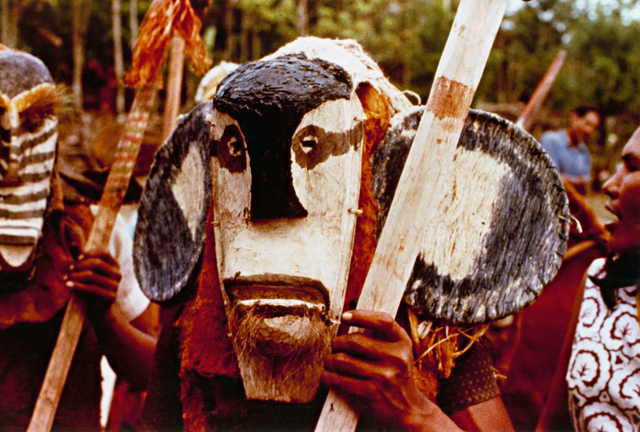
Developing possible Memory card game with packaging for our collection of history / traditions / imagery / icons etc.
Using QR Reader for web interactive rather than then a mockup interactive. This gives us flexibility for the audience to see more of the history behind wishes. Example, video interviews with international students to see if they follow their traditions, youtube links-exmaples of wishes (visually). This will be part of the manual so it is included in the game.
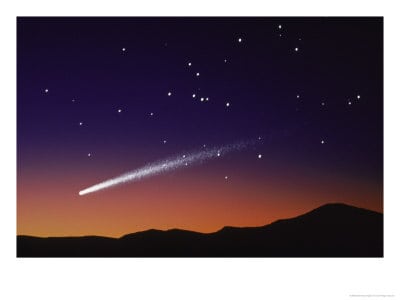
Still developing back story on why wishes came about and gathering more research on wishes. As well as names for the collections itself and creating interactive game.
Friday, January 28, 2011
Thursday, January 27, 2011
Quick Notes and Brainstorming.
. Focusing on cultural responses
. Based on facts from a global standpoint/ making up persona's to fit topic and customs on location
. Take every nation in terms of how they look at wishes
. Or by Continents- Europe, Asia, Africa, North and South America, Antarctica, Australia
. Do a sampling of cultural wishes
. Discover and Identify region, culture, nationality, language, phrases of culture
. Make up story of why and how wishes came about
. Explore cultural investments and habits
. Based on facts from a global standpoint/ making up persona's to fit topic and customs on location
. Take every nation in terms of how they look at wishes
. Or by Continents- Europe, Asia, Africa, North and South America, Antarctica, Australia
. Do a sampling of cultural wishes
. Discover and Identify region, culture, nationality, language, phrases of culture
. Make up story of why and how wishes came about
. Explore cultural investments and habits
Thursday, January 20, 2011
Exercise 01-Reflections
Reflections: Notes from Readings:
The Dragon And The Tartar Lamb
Since people did not know about species and subjects they collected them for research. The wealthy were able to collect beautiful items and keep them. People were interested in learning and gaining more knowledge by collecting and documenting.
History of discovery / created encyclopedia of nature / wealth and power collecting items / pastime / emotional attachment, connection / collected not for beauty but for being strange and incomprehensible / knowledge / time and resources-commerce / Travel collections
Collections Of Nothing
When I think of collections I never saw it in the perspective of people or family as the author did. Everyday interactions, habits, fears, excitement, and memories by people are all physical collections.
Hoarding not a hobby / establishing household as a collection /
Exercise 01
Define the word “collection”
In an obvious sense, collection simply means a group of objects or an amount of material accumulated in one location. It also is items that can be given value from wealth and beauty, to personal, to meaningless items. In another view, it can take on a personal human connection like habits, household items, friends, family etc.
Based on the readings, what are some of the reasons that people might collect?
Some people collect for investment or pure pleasure and enjoyment. Some collect to expand their social lives, and attend social events with people who have the same mind-sets. Others collect to preserve the past and learn history-knowledge.
What is the relationship between income/ money and collecting, both past and present?
In past and present with the first reading, it talked about class and economic status with the collections. It also becomes a showcase of wealth, property, travels, expenses, personal attachments, and achievements. By having the resources collectors will do what is needed to get the items. In the present day many collectors and every day people take pride in collecting useless items that have little to no value also making it more affordable. Wealthier people can afford to collect beautiful and valuable things.
Have you (or a friend or family member) ever collected anything? If so, what was it? Why did you (or they) do it?
I have collected many things throughout my life. As a child, I collected things to be cool and fit in or other times be different and stand out. My main collection was of coins. Family members, friends and my own determination made my collection grow with a gift or Christmas present of a coin. I love to travel and hope to see the world. I loved the different weights, colors, sizes, sayings, engravings, and textures to all the different coins that were from all over the world. I also went through a phase of collecting general sports cards. From basketball, baseball, football and soccer I just liked looking at them and collected them not even knowing who some of the players were. I liked the tactile feel of interacting with them and reading there lives and experience in sports on a small card.
Readings 4, 5, 6, and 7
Notes on Readings:
Reading04-Classifying Lassie
The dogs stay the same (subject matter, object), but the information changes. I think that’s important with whatever anyone is collecting and researching. Also being open and flexible in their approach and process to think of the less obvious answers.
Reading05-Subculture
A subculture is a group of people within a culture. Symbolism is a good identifier of linking a subculture to a major culture; such as things that relate to the topic.
Reading06-Audience Theory
Using rhetoric and made up characters to communicate intention to audience. Also giving audience the option to think for themselves visually and come up with there own characters while they read and observe. Audience always wants and sometimes demands the best possible experience when using the media for information or pleasure. In providing that, that audience is willing to then pay the designer the money because they need it done.
Reading07-Persona (Marketing)
We are designing for other people and we have to satisfy the clients. Demographics, attitudes, perceptions etc is a good way to categorize people / clients. The average person may have some knowledge of technology and computers. We, as designers, can then categorize how often they are on, is it a daily routine, do they like technology, etc. Segments must be developed in order to fulfill peoples needs based on different skill levels. Gather interviews, groups, surveys, and make that personal connection with that person in order to make a successful interface that they will enjoy and understand. We have to sell ourselves in a way to the client. Personas are key in developing a backbone for a website and making the audience feel comfortable to proceed in creating it.
Readings 4,5,6 & 7
Classifying Lassie
Every time we classify an object or something else and we look at it on different points of view or different ways to organize it, we find more information about that particular object, the object stays the same, just the information about it changes. If we relax and think about the arrangement of information first before making the it complex can be a way to simplify it.
Subculture
Subculture is a small part of a dominant culture, usually are created to be differentiated from the dominant culture, they still belong to the main culture group but they have different beliefs, customs or they have oppositions.
Audience theory
This theory implies that the audience will only accept the message if the message is directly intended to them. Media institutions have sophisticated ways of enticing their audiences to come in and buy, because ultimately those institutions need that audience to spend its money.
Persona
Everyone has a persona, usually personas are made up to create a fictional character to represent the need of a whole range of a real persona. Behaviors are selected according to the desired impression an individual wishes to create when interacting with other people, this means that this behaviors might change when the individual is alone.
Every time we classify an object or something else and we look at it on different points of view or different ways to organize it, we find more information about that particular object, the object stays the same, just the information about it changes. If we relax and think about the arrangement of information first before making the it complex can be a way to simplify it.
Subculture
Subculture is a small part of a dominant culture, usually are created to be differentiated from the dominant culture, they still belong to the main culture group but they have different beliefs, customs or they have oppositions.
Audience theory
This theory implies that the audience will only accept the message if the message is directly intended to them. Media institutions have sophisticated ways of enticing their audiences to come in and buy, because ultimately those institutions need that audience to spend its money.
Persona
Everyone has a persona, usually personas are made up to create a fictional character to represent the need of a whole range of a real persona. Behaviors are selected according to the desired impression an individual wishes to create when interacting with other people, this means that this behaviors might change when the individual is alone.
Subscribe to:
Posts (Atom)